Owning a car comes with a degree of responsibility that goes beyond filling the tank and paying road tax. Regular maintenance — even just the basics — can make a real difference to how long your vehicle lasts, how safe it is to drive, and how much you spend on repairs over time. You don't need mechanical training to stay on top of it; you just need to know what to look for and when.
This guide covers the fundamentals every driver should have a working understanding of. We've kept it straightforward, practical, and free of unnecessary jargon.
Engine Oil: The Most Important Fluid in Your Car
Engine oil lubricates the moving parts inside your engine, reducing friction and preventing metal-on-metal wear. Without adequate oil — or with oil that's degraded past its useful life — engine components can sustain serious damage in a surprisingly short time.
How to Check Your Oil Level
Most cars have a dipstick located near the engine (check your owner's manual for its exact position). To check the level:
- Make sure the engine has been off for at least five minutes and the car is on level ground.
- Pull out the dipstick, wipe it clean with a cloth, and reinsert it fully.
- Pull it out again and look at where the oil sits between the minimum and maximum markers.
- If it's below the minimum, top it up with the correct grade of oil for your vehicle.
You should also pay attention to the oil's colour. Fresh oil is golden-amber. Dark brown or black oil has been used for a while and is accumulating combustion byproducts. Milky or grey oil could indicate a coolant leak into the engine — something that needs immediate professional attention.
"Most manufacturers recommend an oil change every 10,000 to 15,000 miles for modern vehicles, but older cars or those driven under harder conditions may need it more frequently. Check your handbook."
Tyre Condition and Pressure
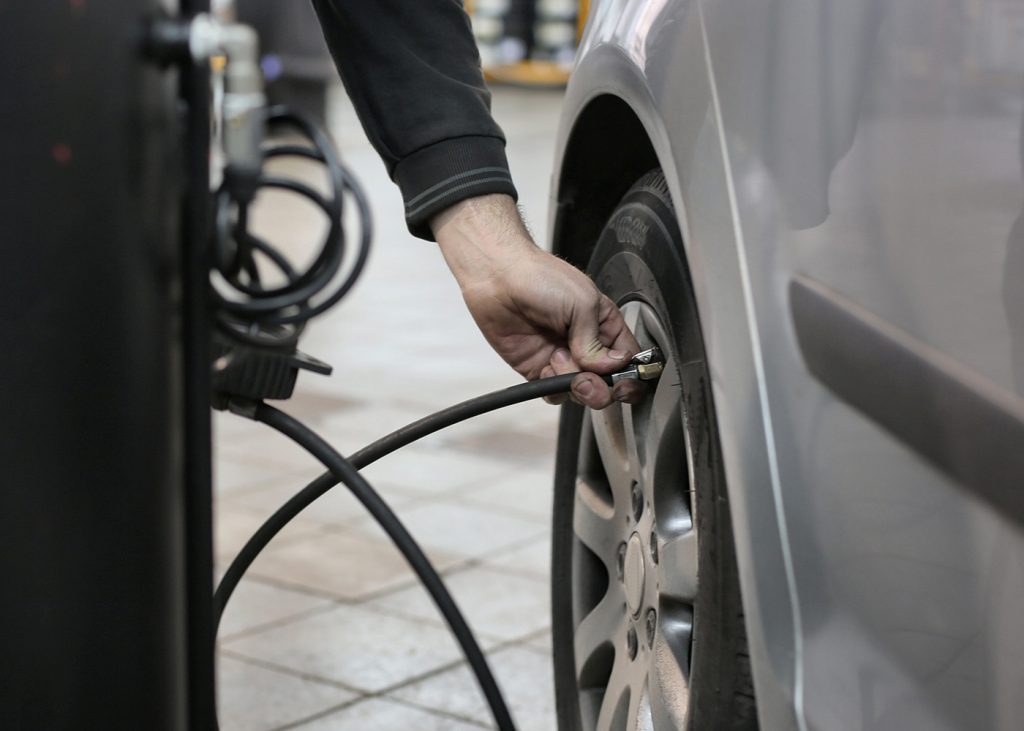
Your tyres are the only contact point between your vehicle and the road. Their condition directly affects braking distance, handling, and fuel consumption. Underinflated tyres increase rolling resistance and wear out faster; overinflated tyres reduce grip and make the ride harsher.
Checking Tyre Pressure
Tyre pressures are measured in PSI (pounds per square inch) or BAR. The correct pressures for your car — which may differ between front and rear — are usually printed on a sticker inside the driver's door jamb, inside the fuel cap flap, or in the owner's manual. Check them monthly when the tyres are cold (before you've driven more than a mile or two).
Checking Tread Depth
In the UK, the legal minimum tread depth is 1.6mm across the central three-quarters of the tyre, around its entire circumference. Driving on tyres below this limit is illegal and significantly increases stopping distances — particularly in wet conditions. Most tyre professionals recommend replacing tyres before they reach the legal minimum, typically around 2–3mm.
A quick check: insert a 20p coin into the tread groove. If the outer band of the coin is visible, your tread may be approaching the minimum.
Coolant Level and Engine Temperature
Coolant (also known as antifreeze) circulates through your engine and radiator to regulate operating temperature. Without it, your engine can overheat quickly — sometimes causing permanent damage within minutes.
The coolant reservoir is a translucent plastic tank, usually with MIN and MAX markings on the side. Check it when the engine is cold. If the level is consistently low, there may be a small leak somewhere in the cooling system — worth investigating rather than just topping up indefinitely.
If your temperature gauge rises noticeably higher than normal, or a warning light appears, stop driving as soon as it's safe to do so. Continuing to drive an overheating car can cause severe engine damage.
Brake Fluid
Brake fluid is hygroscopic, meaning it absorbs moisture from the air over time. As its water content increases, its boiling point drops — which can reduce braking effectiveness under heavy use. Most manufacturers recommend replacing brake fluid every two years regardless of mileage.
The brake fluid reservoir is typically a small, semi-transparent container near the back of the engine bay on the driver's side. Like coolant, it has MIN and MAX markings. A gradual drop in brake fluid level over months can indicate normal pad wear (as callipers extend further to compensate). A sudden drop, however, warrants immediate investigation.
Windscreen Washer Fluid
This one's easy to overlook until you need it. Windscreen washer fluid is mixed with a cleaning agent that plain water doesn't replicate. In winter, it also contains antifreeze compounds that prevent the reservoir and jets from freezing. Use a proper washer fluid concentrate rather than washing-up liquid, which can leave residue and may damage rubber seals over time.
Battery Health
A failing car battery is one of the most common causes of a vehicle not starting, particularly in colder months. Signs of a weakening battery include:
- The engine turning over more slowly than usual when starting
- Electrical systems (lights, radio, windows) behaving erratically
- A battery warning light on the dashboard
- Needing a jump start more than once
Most car batteries last between three and five years under normal use. If yours is approaching that age, having it tested at a garage is a sensible precaution — especially before winter.
Lights and Wipers
It sounds obvious, but a surprising number of drivers don't notice when a bulb has failed until they're flagged down by another motorist or stopped by the police. Walk around your car periodically with the lights on — both headlights and tail lights — to check everything is working. Also test your indicators, brake lights (you may need someone to help with this), and fog lights.
Wiper blades deteriorate over time, particularly after exposure to UV light and temperature extremes. Signs they need replacing include streaking, smearing, or juddering across the screen. Wiper blades are inexpensive and straightforward to replace — most can be changed without tools.
Air Filter
Your engine's air filter prevents dust and debris from entering the combustion chamber. A clogged filter restricts airflow, which can reduce fuel efficiency and performance. Most manufacturers suggest replacing the air filter every 15,000 to 30,000 miles, though this varies by environment — dusty or rural driving conditions may require more frequent changes.
Listening to Your Car
One of the most valuable habits you can develop as a driver is paying attention to how your car sounds and feels. New noises, unusual vibrations, or changes in how it handles are often the first signs that something needs attention. Common things to watch for include:
- A grinding or squealing noise when braking — often worn brake pads
- A knocking or rattling sound from beneath the car — could be suspension, exhaust, or heat shields
- A whining noise that changes with speed — may be wheel bearings or a tyre issue
- A clicking sound when turning — often CV (constant velocity) joints
- Vibration through the steering wheel or pedals — can be tyres, wheel balance, or brakes
These sounds don't necessarily mean something catastrophic, but they're worth investigating sooner rather than later. Small problems left unattended tend to become larger, more expensive ones.
Keeping on Top of Scheduled Services
Manufacturer service schedules exist for a reason. They're designed around the expected wear rates of filters, fluids, belts, and other components under typical operating conditions. Falling behind on servicing doesn't usually cause immediate problems — but it can mean that wear goes unnoticed until it becomes a failure.
A basic service typically covers oil and filter changes, a visual inspection of key systems, and top-ups of essential fluids. A full service goes further, including brake checks, air filter replacement, and inspections of steering, suspension, and tyres. Neither needs to be done at a main dealer to maintain your car's service history — any VAT-registered independent garage can stamp your service book.
"Keeping a full service history can also help maintain your car's resale value. Buyers and dealers often look for this when assessing a vehicle."
A Few Final Points
Routine maintenance doesn't have to be complicated or expensive. Many of the checks described above take less than ten minutes and require no special tools. The investment of a little time each month — combined with keeping to your service schedule — goes a long way towards reducing the chance of unexpected breakdowns and costly repairs.
If you're ever uncertain about something, it's always worth getting a professional opinion. A brief inspection at a trusted garage can save you a great deal of money and inconvenience in the long run.
If you're based in or around Southport and would like any of the above checked over, our team at F-M Auto Repair is happy to assist. We offer straightforward inspections without pressure to proceed with any further work unless you're comfortable doing so.